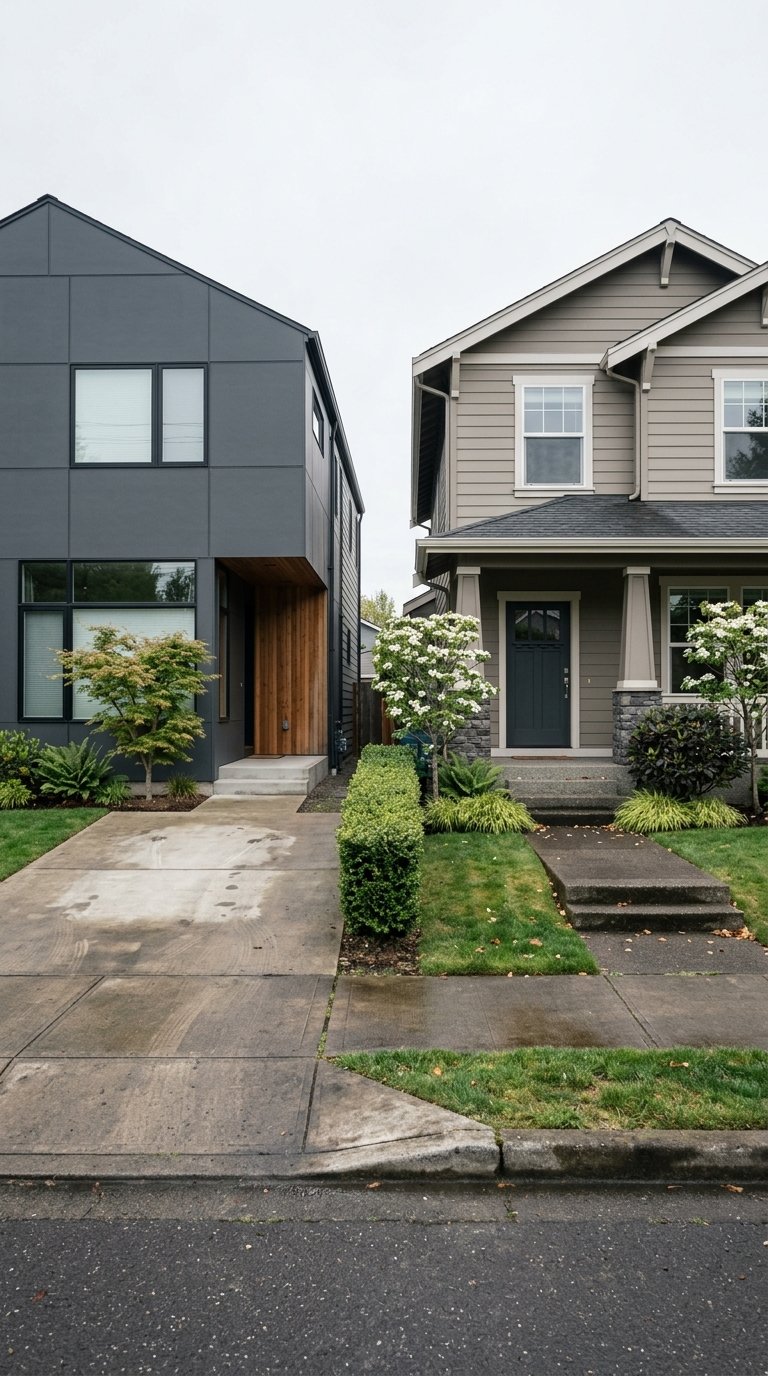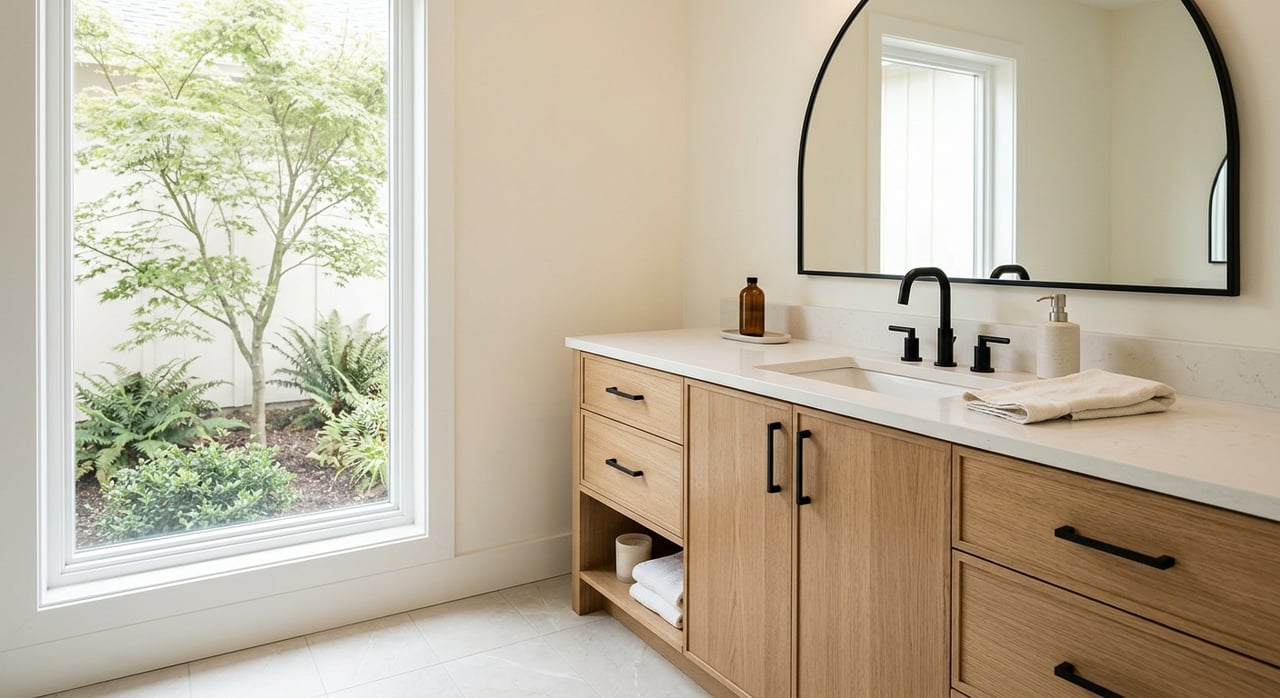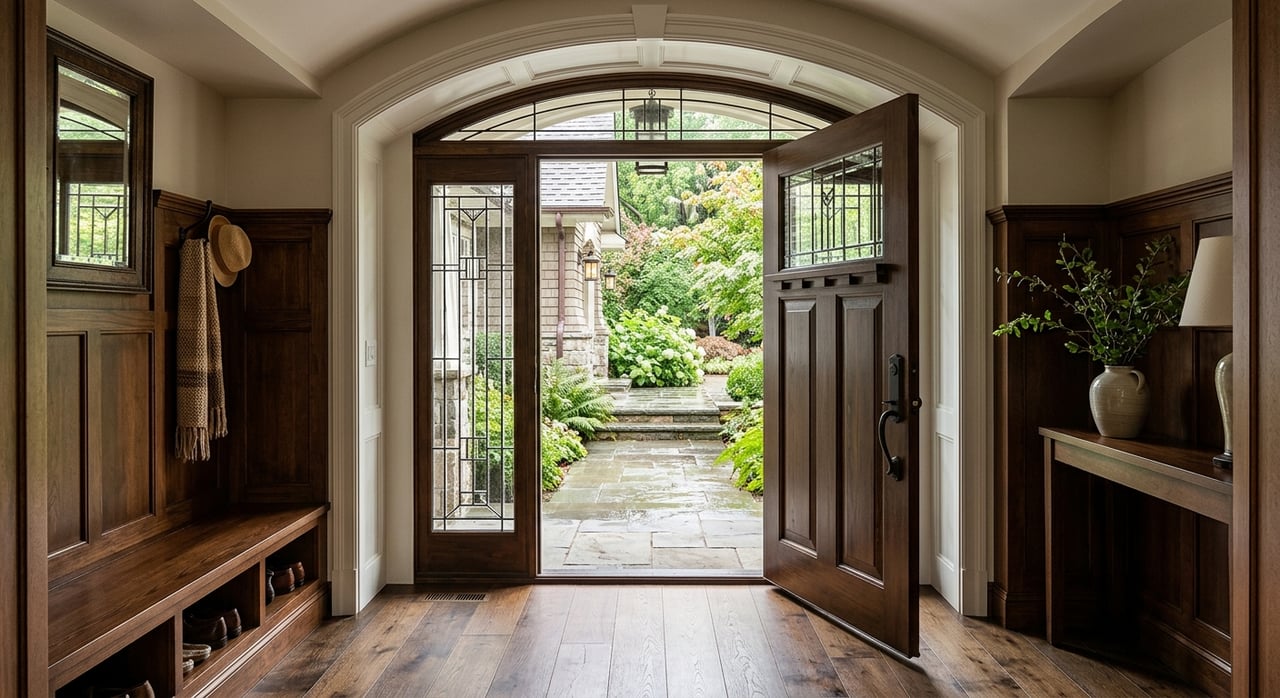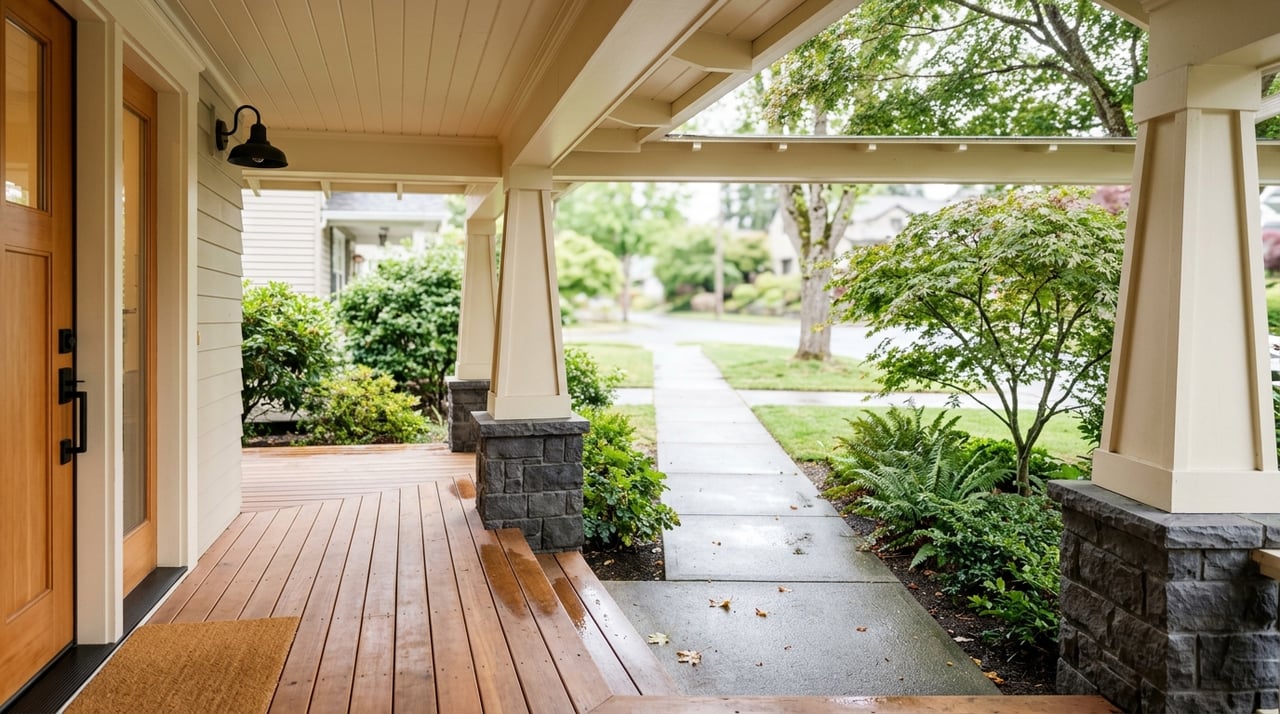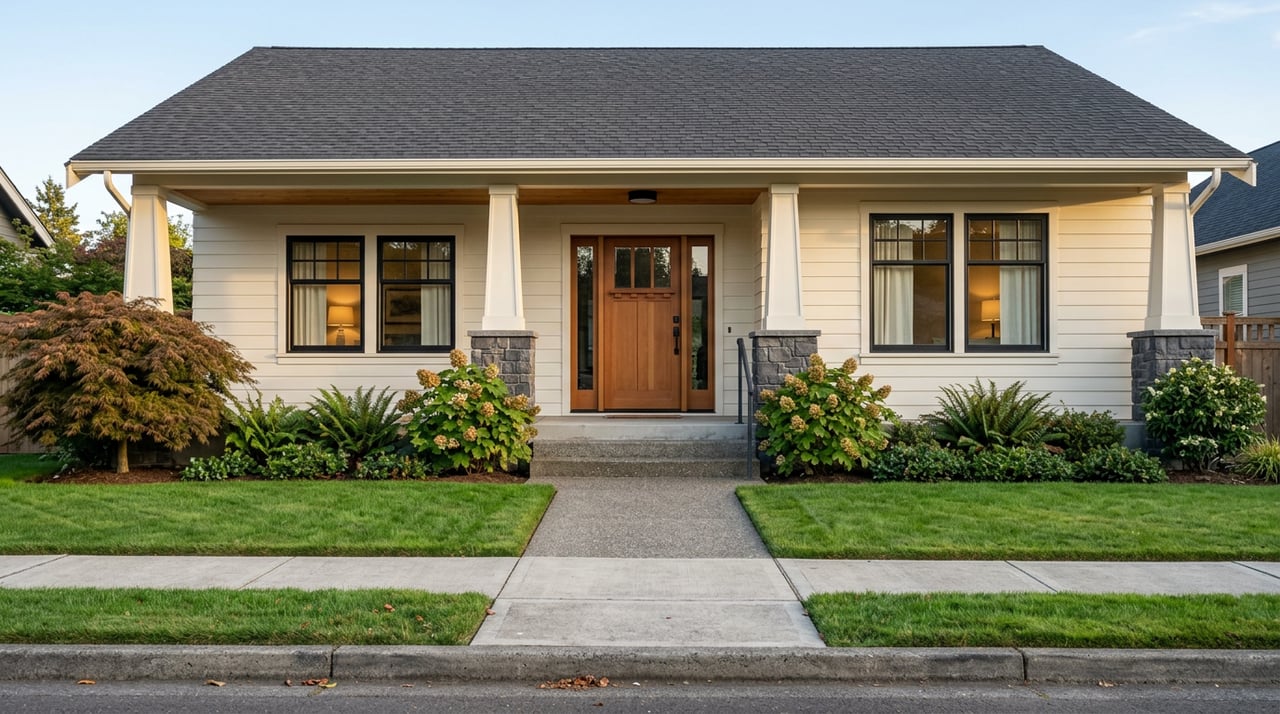
Thinking about selling your Tigard home and wondering if online marketing really moves the needle? In a market where most buyers start their search on a screen, the way your home looks online can decide whether you get a showing in week one or sit on the market for weeks. You deserve a plan that turns clicks into showings and showings into stronger offers.
In this guide, you’ll learn what buyers value most online, the marketing pieces that deliver the best return, realistic cost ranges, and a simple 14‑day launch plan tailored to Tigard. You’ll also get a checklist to hold your agent accountable and quick answers to common questions. Let’s dive in.
Why online marketing matters in Tigard now
Tigard sits in Washington County, Oregon, within the broader Portland metro. It is a suburban market where small presentation upgrades can have a big effect on buyer interest and time to offer. For local context, the City of Tigard provides area information and services that shape daily life for residents and future buyers.
Public trackers currently place Tigard’s mid‑market price band in the roughly 550,000 to 615,000 range, with days on market measured in weeks, not days. In that range, a 1 to 2 percent shift in your final price can mean thousands of dollars in your pocket. That is why polished online presentation is not a nice‑to‑have. It is a lever.
Regional snapshots also show that the Portland area moves in seasonal waves and varies by sub‑market. Using neighborhood‑level MLS data helps you set strategy around timing and pricing for maximum impact.
- Learn how buyers move from click to showing below, then use the 14‑day plan to capture attention early.
What buyers value most online
Most buyers begin their home search on the internet and essentially all use it at some point. According to the National Association of REALTORS, the most valuable listing content to buyers are photos, detailed property information, and floor plans. Your first impression online is often the deciding filter for whether a buyer schedules a tour.
- Place your strongest visual first. Lead with the image that sells the lifestyle or the best feature.
- Include a floor plan. It helps buyers understand flow and scale before they step inside.
The building blocks of a high‑performing listing
Professional photography
High‑quality images consistently correlate with faster sales and stronger prices in platform studies. Better photos drive more views and saves, which turn into more showing requests. In Tigard’s price band, that chain reaction can be worth real money.
- Typical cost: about 120 to 400 for a full set, depending on package size and your market.
- Pro tip: Ask your agent for examples of recent local listings and how the first thumbnail image was chosen.
Video, drone, and twilight
Short video clips, drone views, and twilight images often lift engagement and inquiries online. Drone is ideal when the lot, setting, or nearby amenities are a selling point. Twilight can add curb appeal in your primary photo set.
- Consider these when views, outdoor living, or lot privacy are key value drivers.
3D tours and virtual walkthroughs
Matterport‑style 3D tours have shown faster closings and, in some markets, higher sell‑through prices. They also cut low‑quality showings by giving buyers a realistic sense of layout and scale.
- Typical cost: roughly 200 to 500 for an average home.
- Best use: complex floor plans, premium finishes, or when you expect out‑of‑area buyers.
Staging that photographs well
Staging helps buyers visualize how to live in the home and can reduce days on market. Even light staging or strategic editing of what you own can make photos cleaner and more compelling. Virtual staging is a budget‑friendly option for listing images when a home is vacant.
- Typical costs: about 800 to 3,500 for physical staging on average. Virtual staging is priced per image and is much lower.
- Be transparent. If you use virtual staging, label the photos clearly.
Floor plans and complete details
Buyers value floor plans alongside photos. Upload a clear plan and include thorough room‑by‑room details in the MLS. More information up front means better‑qualified showings.
MLS, IDX, and portal reach
Your listing should appear quickly and consistently across the MLS, broker and agent IDX sites, and the major consumer portals. IDX is the framework that allows MLS listings to show on broker and agent websites. Broad and timely syndication matters because most buyers begin online.
- Ask your agent about where the listing will appear and how fast after going live.
- Confirm how they will track and report engagement in the first two weeks.
How better marketing turns into better offers
Here is the simple path most sellers want to create:
- Strong thumbnail image and media increase clicks and saves. 2) More online engagement creates more showing requests. 3) More showings raise the odds of competitive offers. Each media upgrade supports that same funnel. You do not need everything for every home, but you do need the right mix for your property and buyer profile.
In Tigard, where buyers compare many options in a similar price range, that early burst of attention can prevent price reductions and shorten time to pending.
Cost vs. likely return for Tigard sellers
Use a simple baseline to evaluate spend. If your home sells around 600,000, a 1 percent improvement in your net is 6,000 and a 2 percent improvement is 12,000. A thoughtful media set often costs less than a price cut.
Common cost ranges you can use for planning:
- Professional photography: about 120 to 400 for interiors and exteriors.
- Drone add‑on: roughly 100 to 350 depending on scope.
- 3D tour: about 200 to 500 for a typical residential property.
- Short listing video: often 200 to 1,000 plus, based on production.
- Staging: around 800 to 3,500 on average. Virtual staging is per image and lower.
If a 1,000 to 3,500 package helps you avoid even a single 10,000 price drop or nudges your sale price by 1 percent, the math usually works in your favor.
A 14‑day launch plan for Tigard homes
Pre‑launch: days 1 to 5
- Walk‑through and punch list. Declutter, touch up paint, and complete light landscaping.
- Staging plan. Decide on light physical staging or virtual staging for photos.
- Schedule media. Book professional photos, and add drone, twilight, and 3D as needed.
- Draft listing details. Write feature bullets, confirm square footage, and obtain a floor plan.
Launch week: days 6 to 10
- Go live on the MLS with your best thumbnail image.
- Verify syndication to broker and agent IDX sites and major portals within 24 to 48 hours.
- Publish a short video clip for social channels to amplify day‑one exposure.
- Monitor engagement. Track views, saves, and showing requests daily.
Week two: days 11 to 14
- Adjust your thumbnail if early engagement is soft.
- Share the 3D tour and floor plan in follow‑up messages to interested buyers.
- Host a weekend open house if aligned with your strategy.
- Review feedback and decide whether to hold, update media, or refine pricing.
What to expect from your listing agent
Use this checklist to set clear expectations and compare approaches:
- Professional photography with a plan for the lead image. Ask to see recent Washington County or Tigard examples.
- A floor plan and complete property details in the MLS, since buyers value that content.
- Broad, prompt syndication to the MLS, IDX‑powered broker and agent sites, and major portals, with a plan to monitor views and showings in the first two weeks.
- Selective use of 3D tours for complex layouts, out‑of‑area buyers, or premium homes.
- Short video or social clips to support targeted paid or organic reach when appropriate.
- A clear staging plan with a realistic budget and ROI rationale, including when virtual staging is the smarter move.
Common pitfalls to avoid
- Smartphone‑only photos. They often dim interiors and miss key angles.
- Sparse MLS details or no floor plan. Buyers skip listings that feel incomplete.
- One‑size‑fits‑all media. Choose upgrades that match your home’s actual value drivers.
- Slow or limited syndication. Early days matter most for exposure.
- Pricing and presentation out of sync. If you price at the top of the range, your visuals need to support it.
Ready to sell in Tigard?
You deserve a polished, data‑informed plan that meets buyers where they are online. The Lankheet Group is a boutique, founder‑led team serving the Portland metro, and we pair high‑touch guidance with luxury‑grade digital presentation and IDX‑powered reach. If you are considering a sale in Tigard, start with a pricing and presentation conversation. Connect with Ty Lankheet to get a free home valuation and a tailored marketing strategy.
FAQs
What is the current price range for Tigard homes?
- Public trackers place Tigard’s mid‑market in the roughly 550,000 to 615,000 range, with days on market measured in weeks.
Do professional photos really make a difference for Tigard sellers?
- Yes, higher‑quality photos consistently lift online views and saves, which leads to more showings and can shorten time to offer.
When is a 3D tour worth it for my listing?
- Use a 3D tour when your layout is complex, finishes are a selling point, or you expect out‑of‑area buyers who rely on virtual walk‑throughs.
Should I budget for staging in Tigard?
- Staging often reduces days on market and improves photo appeal, with typical costs around 800 to 3,500, while virtual staging costs less per image.
How fast should my listing appear across websites after going live?
- In most cases you should see it on the MLS, broker and agent IDX sites, and major portals within 24 to 48 hours, with engagement tracked in week one.
What do buyers value most in online listings?
- Buyers consistently rank photos, detailed property information, and floor plans as the most helpful content when deciding to schedule a showing.
City of Tigard | NAR buyer behavior highlights | RMLS regional snapshot | Real estate photo pricing | Photography stats and video impact | 3D tour benefits | 3D tour pricing guide | Staging cost overview | What IDX does