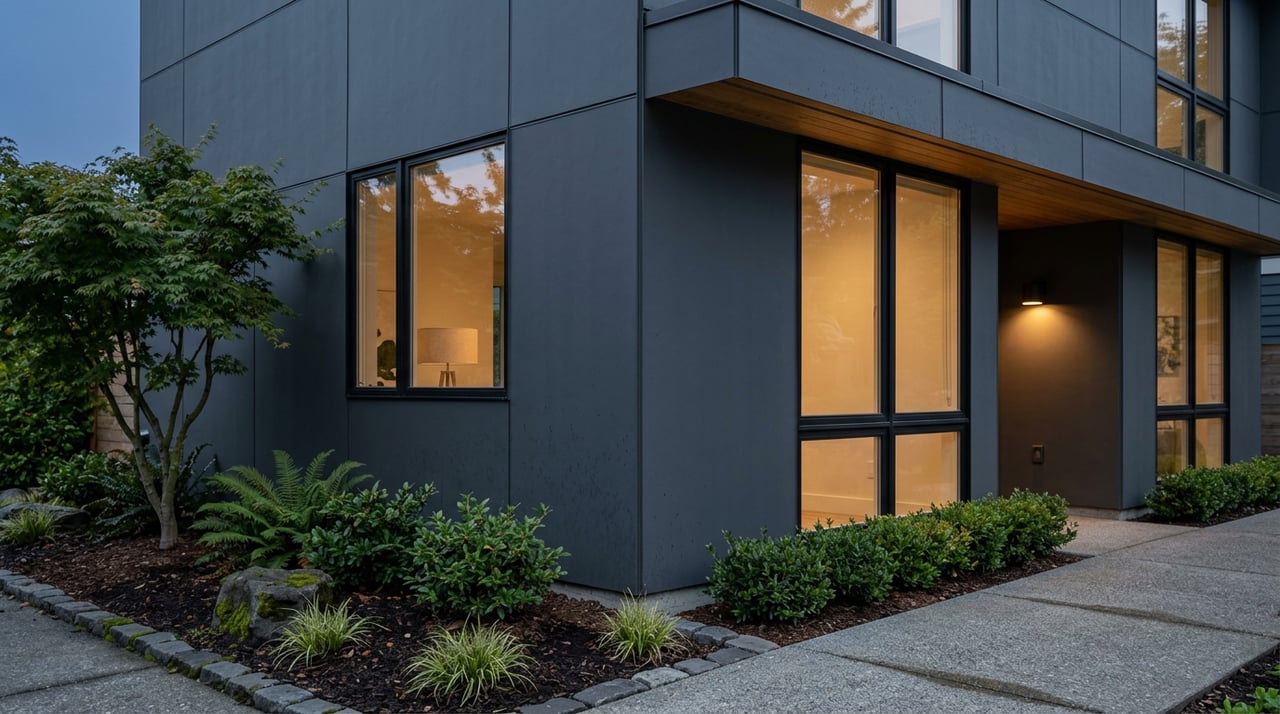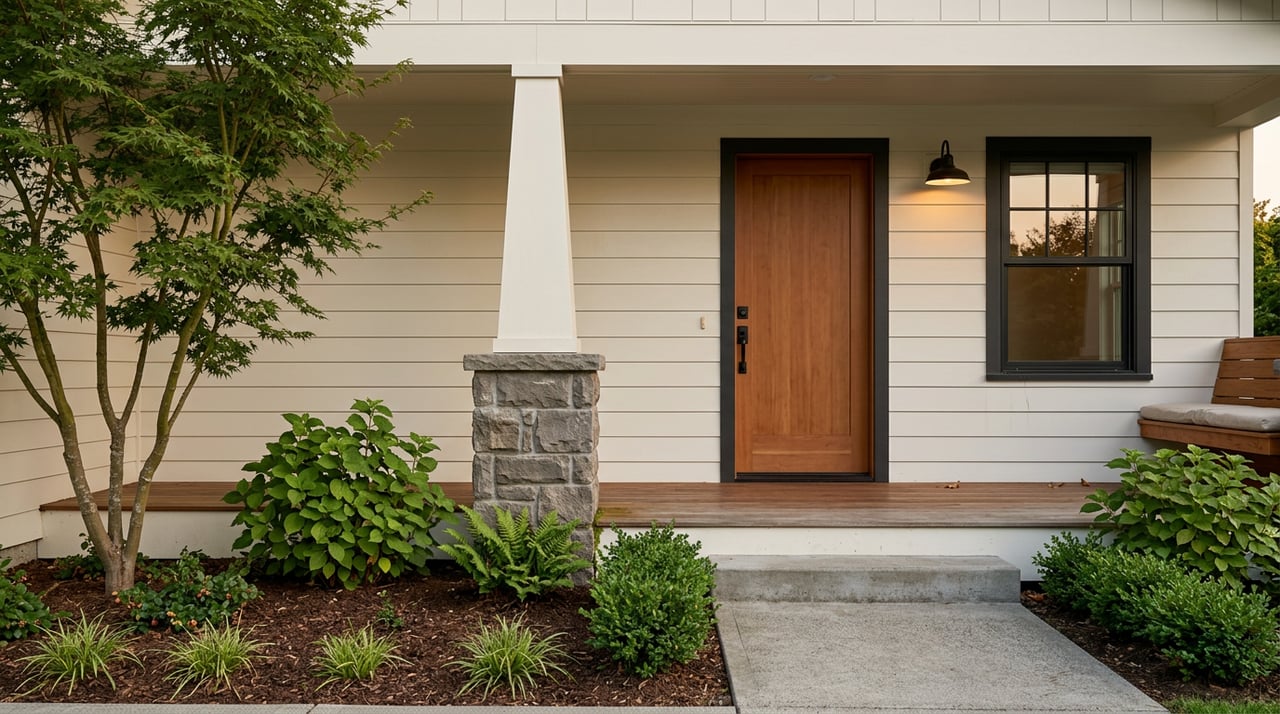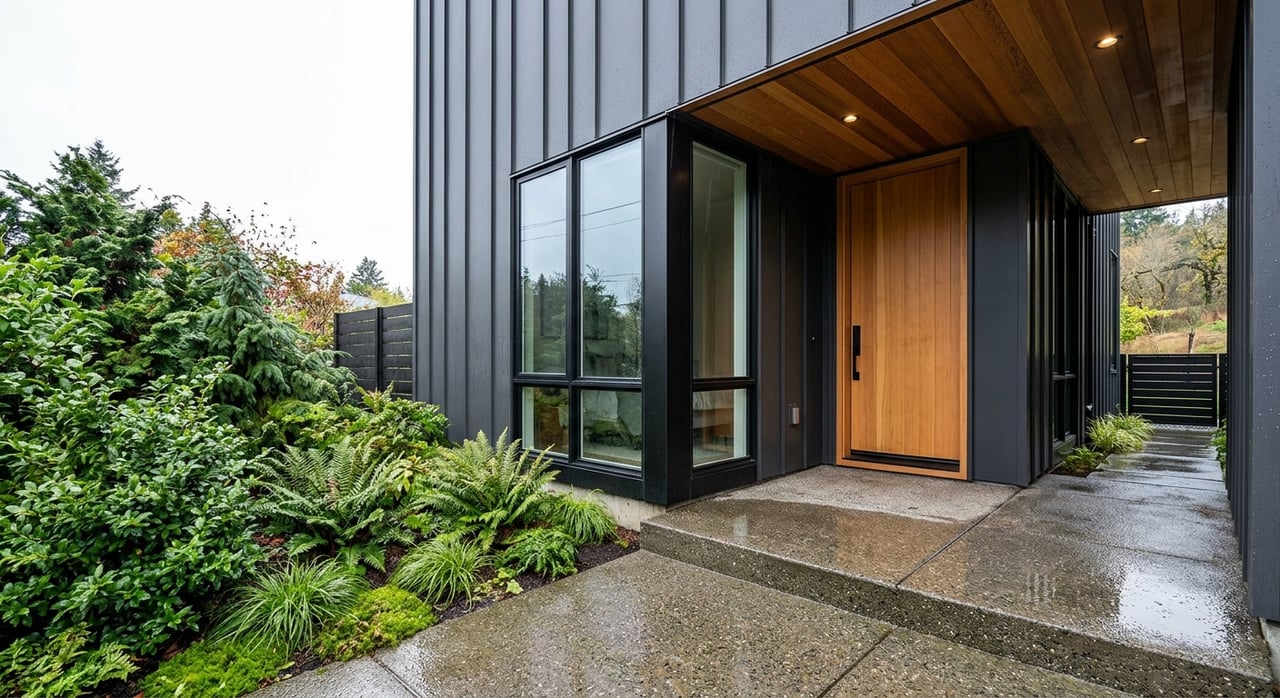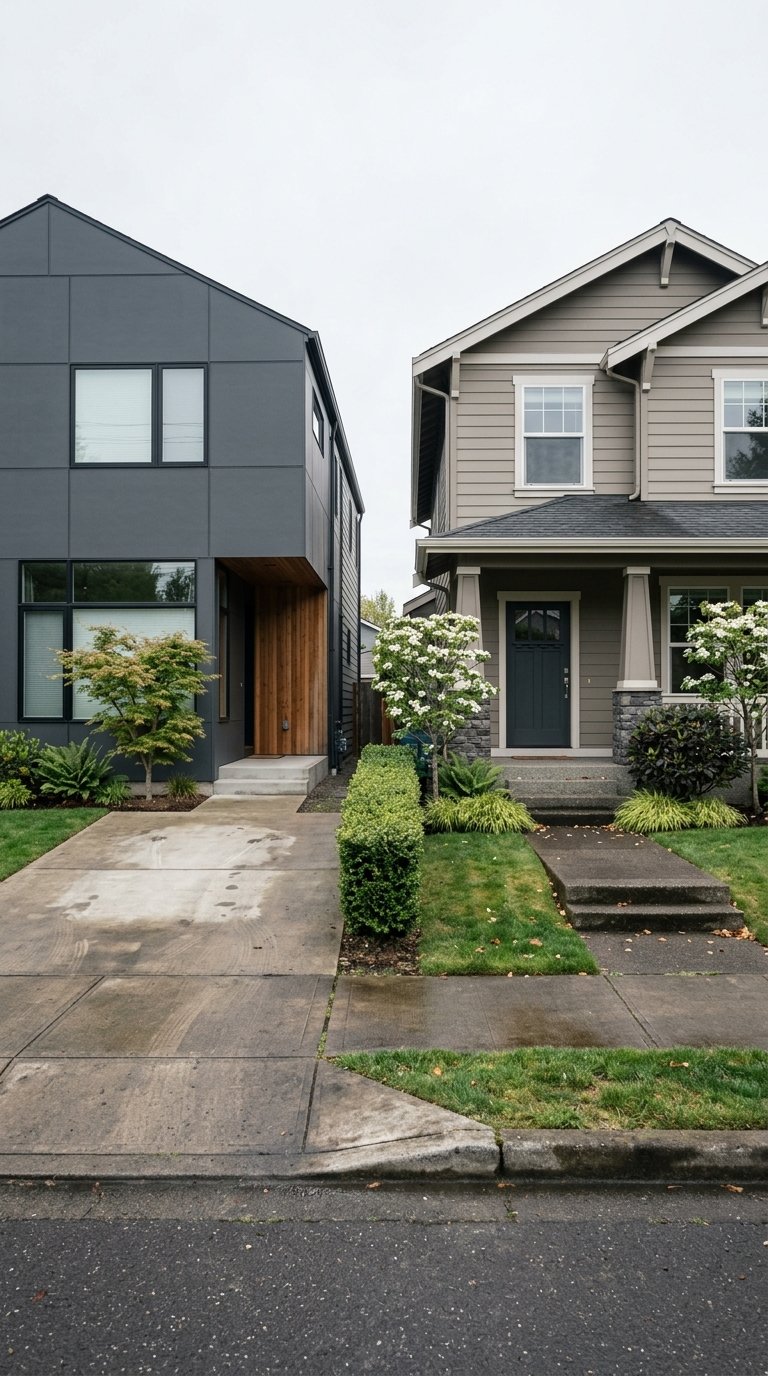
If you are trying to figure out where to live in Tualatin, one of the biggest surprises is how different one part of the city can feel from another. In a relatively compact area, you can find established single-family neighborhoods, newer small-lot homes, condo and apartment options near the civic core, and active growth areas with brand-new construction. This guide will help you understand how Tualatin’s neighborhoods and housing styles compare so you can narrow your search with more confidence. Let’s dive in.
Tualatin housing at a glance
Tualatin has a mixed identity by design. The city sits along I-5 between I-205, Highway 99W, and Highway 217, and city materials note that the land is split roughly evenly between residential uses and commercial or industrial uses. That helps explain why Tualatin feels less like one uniform suburb and more like a collection of residential pockets connected by shopping, employment centers, and transportation corridors.
Detached single-family homes are still the dominant housing type citywide. Tualatin’s housing mix is reported at 53% single-family detached, 6% single-family attached, and 41% multifamily. If you are starting your search with a traditional house in mind, you will have options across much of the city, but the style, lot size, and age of home can shift a lot by area.
A useful snapshot from current market guides shows a median year built of 1989, a median lot size of 7,840 square feet, and an average single-family home size of 2,320 square feet. In practical terms, many buyers see a blend of older 1970s ranch and split-level neighborhoods on one end and post-1990 homes with more traditional or Craftsman-inspired details on the other.
Tualatin homes by style
Detached single-family homes
If you picture Tualatin as a city of detached homes, that is largely accurate. City planning materials say detached homes are the most common housing type and are especially concentrated in the southern, eastern, and northwest parts of the city. These homes tend to appeal to buyers who want more privacy, more storage, and a more classic suburban layout.
Lot size can vary depending on the zoning and subdivision pattern. In RL zones, detached lots are often around 6,500 square feet, with some 5,000-square-foot lots possible, while lower-density RML zoning can allow 4,500-square-foot lots. That means your idea of a “single-family neighborhood” in Tualatin could range from established homes with bigger-yard potential to newer small-lot developments that trade yard space for newer finishes and easier upkeep.
Attached homes, condos, and apartments
Tualatin also offers lower-maintenance housing, especially near mixed-use and higher-activity areas. If you want less exterior upkeep, easier lock-and-leave living, or a more compact footprint, condos, townhome-style options, and apartments may make the most sense.
These homes tend to show up most clearly around Downtown Tualatin, Tualatin Commons, and parts of the south shopping corridor. They can also be a practical fit for first-time buyers, downsizers, and relocation buyers who want convenience over yard size.
Older versus newer homes
In broad terms, Tualatin’s older neighborhoods often lean toward 1970s split-level and ranch-style homes. Newer sections, especially those developed after 1990, tend to feature more traditional floor plans, attached garages, and Craftsman-influenced details.
That age difference matters because it can affect layout, lot size, ceiling height, storage, and update needs. If you love mature neighborhood character, older sections may stand out. If you want newer systems and a more current layout, east-side or growth-area options may be worth a closer look.
Downtown Tualatin and Tualatin Commons
Best for low-maintenance living
Tualatin Commons is the city’s clearest downtown-style micro-area. The city says it grew from a public-private redevelopment effort in the early 1990s and now centers on a 3-acre lake, promenade, plazas, apartments and condos, offices, restaurants, and a hotel.
For buyers, this area offers one of the most urban-feeling experiences in Tualatin. Instead of a traditional subdivision pattern, you get a civic core with mixed-use energy and housing that tends to be easier to maintain than a detached house on a larger lot.
What the housing feels like
This is a strong area to consider if you want a condo, apartment-style living, or a home close to shops, dining, and public gathering spaces. The city’s downtown planning efforts also point to continued interest in expanding housing options here, which reinforces the area’s mixed-use identity.
If your priority is a walkable feel and minimal maintenance, this part of Tualatin often rises to the top of the list. If you want a larger detached home and more separation from activity, you may prefer another area.
Tualatin East, Browns Ferry, and Saum Creek
Best for newer detached homes
Tualatin East is often the go-to area for buyers who want newer detached homes with a more polished suburban feel. Market guides describe this side of the city as having compact housing developments and predominantly single-family Craftsman-style homes built between the 1990s and 2020.
Many homes here include attached garages, roughly 2,000 to 4,000 square feet of living space, and smaller lots around a tenth of an acre. That combination can appeal to buyers who want newer design and manageable outdoor space without stepping into a condo lifestyle.
Why outdoor access stands out
This area also benefits from strong access to parks and the river corridor. Brown’s Ferry Park is a 28.33-acre natural area with trails, wildlife viewing, picnic areas, and canoe and kayak access, and the Tualatin River Greenway Trail connects Brown’s Ferry Park to Tualatin Community Park and beyond.
If you want a newer home and easy access to trails and river recreation, this pocket of Tualatin deserves a close look. It tends to blend suburban housing with outdoor access in a way many buyers find appealing.
South Tualatin and the Nyberg corridor
Best for convenience and variety
The south side of Tualatin, including the Nyberg and Bridgeport Village corridor, is often the most convenience-driven part of the city. Research sources point to this area as a major retail and commute-oriented zone, with shopping and dining clustered near Interstate 5 and nearby destination retail.
For buyers, the big advantage is variety. This broader corridor includes contemporary ranch homes, newer traditional housing, and lower-maintenance choices such as condos and apartments, giving you more product types in one general area.
Why buyers compare this area
If your day-to-day life depends on quick errands, nearby dining, and easy freeway access, this part of Tualatin can make a lot of sense. It may also work well if you are relocating and want a practical launch point for commuting around the metro.
This area is less about one single neighborhood identity and more about convenience, access, and choice. That makes it especially useful for buyers balancing budget, home type, and commute needs at the same time.
North Tualatin and park-centered pockets
Best for a residential feel
Northern Tualatin tends to attract buyers who want a more residential setting centered around parks and everyday neighborhood living. Public descriptions are less detailed here than in some other parts of the city, so this area often rewards a more street-by-street approach.
Jurgens Park and Tualatin Community Park are major anchors, and the Tualatin River Greenway Trail connects them. If access to green space matters to you, the north end may feel especially appealing.
Why block-by-block matters here
Because the public data is less uniform, this is one of the areas where home-by-home comparison becomes especially important. One street may feel more established, another may have more updates, and another may feel more tucked away.
For buyers who care more about overall residential feel than being close to a retail corridor, north Tualatin is often worth exploring in person. It can be a good fit if you want detached housing and park access without putting convenience retail at the center of your search.
Basalt Creek and new construction
Best for the newest homes
If your top priority is new construction, Basalt Creek is the clearest growth area in Tualatin. The city describes it as a major development area planned for a mix of low-density single-family, medium-low density, high-density, neighborhood-commercial, and manufacturing uses.
That matters because it gives buyers access to the newest housing pipeline in the city. One example is Autumn Sunrise, a subdivision planned for 400 homes total, including 80 townhomes and 320 detached single-family homes on 62 acres with about 3.9 acres of open space.
What to expect in a growth area
The upside is obvious: newer homes, newer layouts, and more choices for buyers who want fresh construction. The tradeoff is that development areas can still be taking shape, which means the surrounding environment may continue to evolve over time.
If you are comfortable with that and want the newest possible product, Basalt Creek should be on your list. It is one of the few places in Tualatin where you can clearly target emerging inventory rather than established resale neighborhoods.
Parks, trails, and commuting
Why location feels different by area
One reason Tualatin neighborhoods feel distinct is the city’s park and trail network. The city reports more than 200 acres of parks, trails, and natural areas, with key access points including Brown’s Ferry Park, Tualatin Community Park, Jurgens Park, and the canoe and kayak launch at Pacific Highway 99W and Hazelbrook Road.
For some buyers, that outdoor network shapes the home search as much as the house itself. If you want river access and trail connections, east and north-side areas may stand out more. If you want shopping and transportation first, the south and central corridors may feel more practical.
Commuting options to know
Tualatin’s regional access is a major advantage. The city sits along I-5 and near I-205, Highway 99W, and Highway 217, and market guides place downtown Portland about 13 miles away via I-5.
Transit is also part of the picture. TriMet’s WES commuter rail serves Tualatin with weekday rush-hour service, and bus routes including 76, 96, and 97 connect key parts of Tualatin and surrounding areas. If commuting matters, your best area may depend as much on route access as on home style.
How to choose the right Tualatin area
The best Tualatin neighborhood for you depends on how you want to live day to day. Start by deciding which matters most: home style, maintenance level, shopping convenience, outdoor access, or new construction.
Here is a simple way to frame your search:
- Want low-maintenance living and a more urban feel? Focus on Downtown Tualatin and Tualatin Commons.
- Want newer detached homes near trails and river access? Look closely at Tualatin East, Browns Ferry, and Saum Creek.
- Want errands, dining, and freeway access nearby? Compare south Tualatin and the Nyberg corridor.
- Want the newest homes in the pipeline? Explore Basalt Creek.
- Want established detached neighborhoods with bigger-yard potential? Ask for a targeted search in RL-style areas across the city.
If you are buying from out of town or trying to compare neighborhoods quickly, having a local guide can save you time. Street patterns, lot sizes, home age, and proximity to parks or retail can change fast from one pocket of Tualatin to the next.
If you want help narrowing down the right Tualatin neighborhood or comparing home styles block by block, connect with Ty Lankheet for responsive, local guidance tailored to your goals.
FAQs
What housing type is most common in Tualatin?
- Detached single-family homes are the most common housing type in Tualatin, making up 53% of the citywide housing mix according to the research report.
Which part of Tualatin has more condo and apartment options?
- Downtown Tualatin and Tualatin Commons are the clearest areas for condos, apartments, and other low-maintenance housing tied to a mixed-use setting.
Which Tualatin area is best for newer detached homes?
- Tualatin East, including Browns Ferry and Saum Creek, is commonly associated with newer detached homes, many built from the 1990s through 2020.
Where can you find new construction in Tualatin?
- Basalt Creek is Tualatin’s main growth area and the strongest option for buyers looking for the newest construction and developing subdivisions.
Which Tualatin area is best for shopping and commuting?
- The south Tualatin area near Nyberg and Bridgeport Village stands out for shopping, dining, product variety, and convenient freeway access.
Does Tualatin have good parks and trails access?
- Yes. The city reports more than 200 acres of parks, trails, and natural areas, including Brown’s Ferry Park, Tualatin Community Park, Jurgens Park, and the Tualatin River Greenway Trail.