Thinking about a brand-new home in Sherwood, Oregon, but not sure where to start? You’re not alone. Between builder options, fees, and timelines, it can feel like a maze. This guide gives you a clear path through Sherwood’s active new construction communities, what to compare, and how the process differs from buying resale. You’ll also get a practical checklist and trusted local resources so you can move forward with confidence. Let’s dive in.
Why buy new in Sherwood
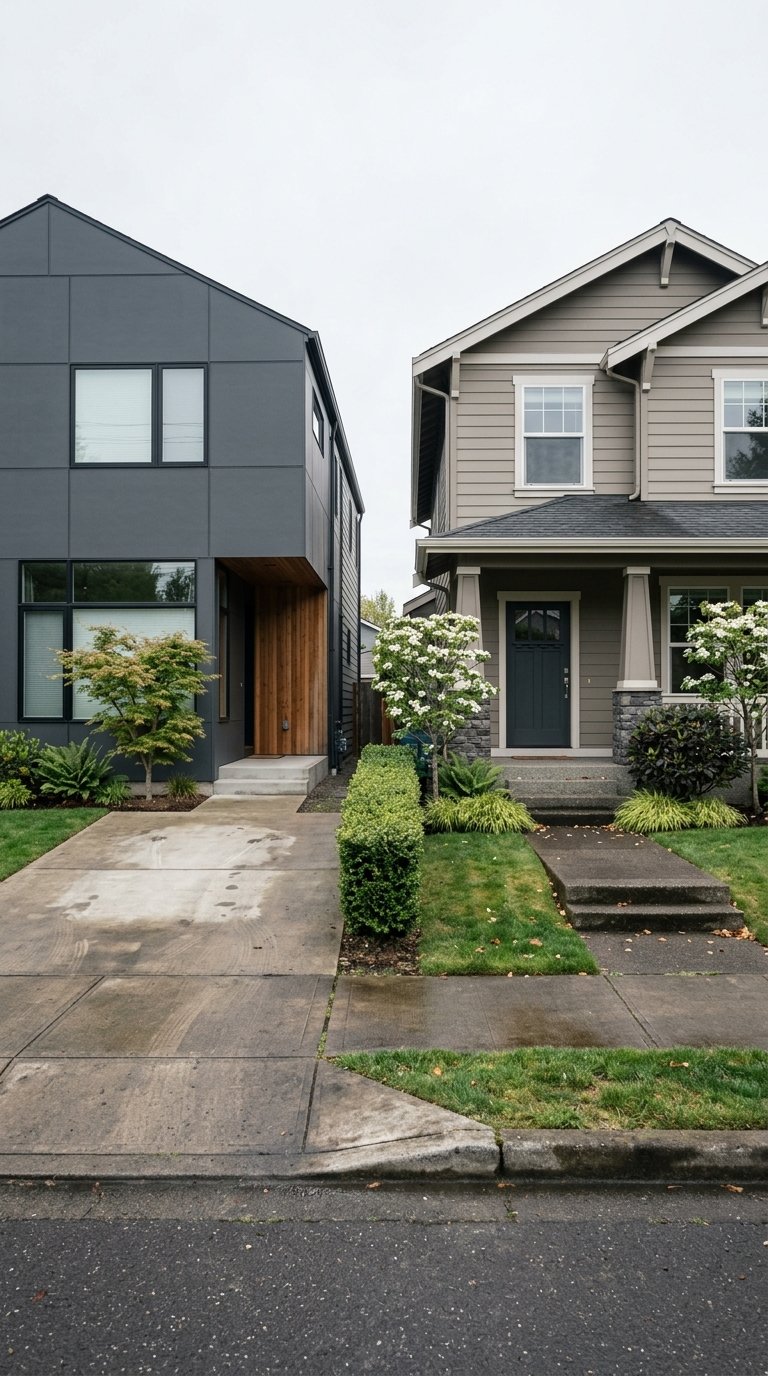
New construction in Sherwood covers a wide range, from attached townhomes with low maintenance to larger custom-leaning homes on bigger lots. Many communities highlight energy-efficient design, contemporary finishes, and neighborhood amenities.
You get modern floor plans, fewer near-term repairs, and a builder warranty. You also take on a different contract process, an option selection timeline, and potential build-stage delays. Understanding those tradeoffs helps you decide if new is right for you.
Active new communities in Sherwood
Below are representative communities and what stands out about each. Always confirm current availability, pricing, and standard features with the builder’s on-site team.
Reserve at Cedar Creek (Ichijo USA)
Ichijo’s Reserve at Cedar Creek features contemporary single-family homes with an all-electric, net-zero ready emphasis. Current models typically run about 2,600 to 3,200 square feet with 3 to 5 bedrooms, and the builder highlights high energy-efficiency standards and curated interior finish packages. Review the builder’s pages for which items are included versus optional upgrades. Learn more on the builder’s page for Reserve at Cedar Creek.
Denali Meadows & Denali Summit (JT Roth Construction)
JT Roth’s Denali collections lean toward higher-end, custom-feel single-family homes. Expect larger footprints, generous lot sizes with several advertised at 10,000 square feet or more, and an emphasis on view lots and custom features. These homes often sit at the upper end of Sherwood’s new-home price spectrum. Explore recent examples at Denali Summit.
Middlebrook (Holt Homes)
Middlebrook offers entry-to-move-up single-family plans, with advertised homes around 1,600 to 2,800 square feet and up to 3 to 6 bedrooms depending on plan. Listings often note a modest HOA and a small park or playground as a neighborhood amenity. For current plans and inclusions, see the Middlebrook community overview.
Kingston Terrace area collections
Townhome and smaller detached offerings marketed under Kingston Terrace collections aim for lower yard maintenance and denser lot patterns. Typical plan sizes often range from roughly 1,400 to 1,960 square feet, depending on the specific phase or collection. Confirm the latest releases and standard features with the sales team for the most accurate picture.
What to compare across builders
- Square footage, bedroom count, and lot size.
- Energy standards and mechanicals, including solar readiness and whether A/C is included.
- Base price versus upgrades, lot premiums, and elevation choices.
- Warranty terms and any third-party warranty backing.
- HOA rules, fees, and planned amenities.
Costs, fees, and timelines to expect
New neighborhoods come with public fees and infrastructure work that influence timing and the final cost of your home.
City and county development fees
Sherwood collects System Development Charges for water, sewer, storm, parks, and streets. You can review the city’s overview and request an SDC worksheet that estimates charges for a specific lot and unit size on the System Development Charges page. Washington County also assesses a Transportation Development Tax on new development. Ask the city or county engineering contact for the current TDT schedule and how it applies to your lot and home type.
Sewer and infrastructure projects
Regional projects can determine when lots are sewer-ready and how streets are phased. The Brookman sanitary sewer project is one example with meaningful timing and connection impacts. Follow the Brookman project details from Clean Water Services for updates that may affect build timing and utility connections.
Platting and permit steps
Sherwood’s land division and permitting sequence can add months to a neighborhood rollout. The city outlines typical timelines, including coordinated reviews and engineering plan checks, on its Land Division Process page. Engineering review of public-improvement plans is commonly described as about 6 to 8 weeks depending on completeness and queue, with county plat review adding roughly another month. Final plat signatures, recording, and acceptance of public improvements usually precede building permits.
School construction excise tax
School districts assess a construction excise tax, usually calculated per square foot, on new residential construction. Rates and exemptions change by district resolution. Ask the school district or county for the current CET rate before you finalize budgets.
How buying new differs from resale
Buying new construction shifts the process and paperwork. Here are the key differences.
Contracts and pricing
Builders typically use their own contracts and sell from a model home or sales center. The base price rarely includes everything you see in a model. Popular features like certain appliances, countertops, lighting, landscaping, or driveway finishes may be upgrades. Expect lot premiums and elevation choices to add cost. You will usually pay an earnest deposit and may owe additional deposits when you make design selections. Have your buyer’s agent or an attorney review contract terms, refundability, and milestone schedules.
Financing and appraisals
For a finished or nearly finished spec home, you may use a standard mortgage. If you are building from the ground up, you might need construction financing or a one-time-close construction-to-permanent loan. Products vary by lender, and terms can differ widely. Appraisals sometimes trail the combined cost of base price plus heavy upgrades. Ask how the builder handles an appraisal gap and what incentives are offered, then weigh any lender credits or rate buydowns against long-term costs.
Inspections, warranties, and defects
Production builders often provide layered warranty coverage, commonly one year for workmanship and finishes, two years for major systems, and a longer limited structural warranty. Confirm the exact warranty booklet, provider, and whether coverage is transferable. Oregon also sets a statutory notice and response process for construction defect claims that owners must follow. Review the procedures in ORS 701 so you know how to document and escalate issues after closing.
HOAs and governance
Many new neighborhoods form an HOA. In Oregon, the Planned Community Act governs disclosures, budgets, reserves, and turnover responsibilities. Before you commit, review the CC&Rs, bylaws, rules, current budget, reserve study, insurance policies, and meeting minutes. You can reference statutory obligations in ORS Chapter 94.
Smart buyer checklist for Sherwood new builds
Use this to compare communities on equal terms and reduce surprises.
Public records and infrastructure
- Review Sherwood’s Land Division Process to understand platting and permit steps that affect release timing.
- Request an SDC worksheet for your exact lot and plan on the city’s System Development Charges page. Ask the city or county to confirm the Washington County TDT.
- Track regional utility work that may affect connection timing, such as the Brookman sanitary sewer project.
- Check the city’s Current Construction Activity list for subdivision work, street closures, and phasing updates.
- Use the county assessor or parcel viewer to confirm lot size, assessed taxes, and any special districts that apply to the property.
Builder and neighborhood due diligence
- Verify the builder’s Oregon CCB license and complaint history through the CCB license lookup. Ask for CCB license numbers for key subcontractors too.
- Ask for a written list of standard inclusions and a detailed upgrade price sheet. Clarify deposit schedules for options.
- Get the full warranty booklet, including coverage periods, who administers claims, and whether it is third-party insured.
- Request HOA documents: CC&Rs, bylaws, rules, current budget, reserve study, insurance, recent meeting minutes, and the developer’s turnover timetable.
- Obtain the plat map and phase release schedule. Ask about plan repetition rules and which lots are expected to release last.
Questions to ask the on-site sales team
- Which features are standard and which are paid upgrades? Can you provide an itemized list?
- What are the exact SDC, TDT, and any school CET amounts, and who pays them?
- What are the estimated site-start and completion dates, and what happens if dates slip?
- Do you provide a third-party structural warranty? If yes, what is the provider’s name and coverage outline?
"In Sherwood, active new neighborhoods range from townhome collections to larger custom-lot enclaves and energy-focused production communities. Compare the builder’s warranty and license, exact SDC/TDT/CET for the lot, HOA governing documents and reserves, and city or county timelines for platting and sewer or street work before choosing whether to buy new or target resale."
Next steps
If you are weighing Sherwood’s new construction against resale, you deserve a clear, side-by-side plan. Our team can help you compare builders, read HOA and warranty documents, and map your budget with fees and timelines so you avoid surprises. When you are ready to tour models or review contracts, connect with Ty Lankheet for tailored guidance across the Portland metro.
FAQs
What types of new homes are common in Sherwood?
- You will find energy-forward single-family homes around 2,600 to 3,200 square feet, entry-to-move-up plans around 1,600 to 2,800 square feet, higher-end custom-leaning homes on larger lots, and townhome or smaller detached options with lower maintenance.
How long does it take to build a new home in Sherwood?
- Timelines vary by builder and permitting, and city land-division and public-improvement steps can add months, so confirm the specific schedule for your lot and get estimated start and completion dates in writing.
Which fees should I budget for beyond the base price?
- Plan for SDCs, the Washington County TDT, and any school CET, plus upgrade selections, lot premiums, and elevation choices, with exact amounts tied to your lot and plan.
How do builder warranties and defect procedures work in Oregon?
- Many builders offer layered warranties and Oregon has a statutory notice-and-response process for construction defects, so review the warranty booklet and the procedures in ORS 701 before closing.
What should I review in a new community’s HOA?
- Read the CC&Rs, bylaws, rules, current budget, reserve study, insurance policies, recent meeting minutes, and the developer’s turnover timeline, and reference the governance rules in ORS Chapter 94.