Ever scroll through Beaverton listings and wonder why two homes with similar square footage are priced so differently? You are not alone. In Beaverton, the style and age of a home can shift both your purchase price and your ongoing costs in meaningful ways. This guide breaks down the most common home types you will see, how each maps to your budget, and what to watch for so you can compare true costs with confidence. Let’s dive in.
Beaverton price context in 2026
To set the stage, early 2026 data points put Beaverton’s market in the roughly 500,000 to 600,000 dollar range for many purchases, depending on neighborhood and home type. Redfin reports a median sale price of 595,000 dollars for February 2026, the local RMLS Beaverton/Aloha 12‑month rolling median was about 512,500 dollars in January 2026, and Zillow’s late‑2025 city index sat near 520,000 dollars. You will see variation by age, style, location, and condition. You can reference the Portland Metro January 2026 RMLS report for local context on prices and trends in the Beaverton/Aloha submarket for that period (RMLS Market Action).
Market numbers change, and HOA budgets and assessments do too. Re‑check data with current RMLS reports or ask your agent to confirm the latest figures when you are ready to tour.
Common home styles to know
Mid‑century ranch and split‑level
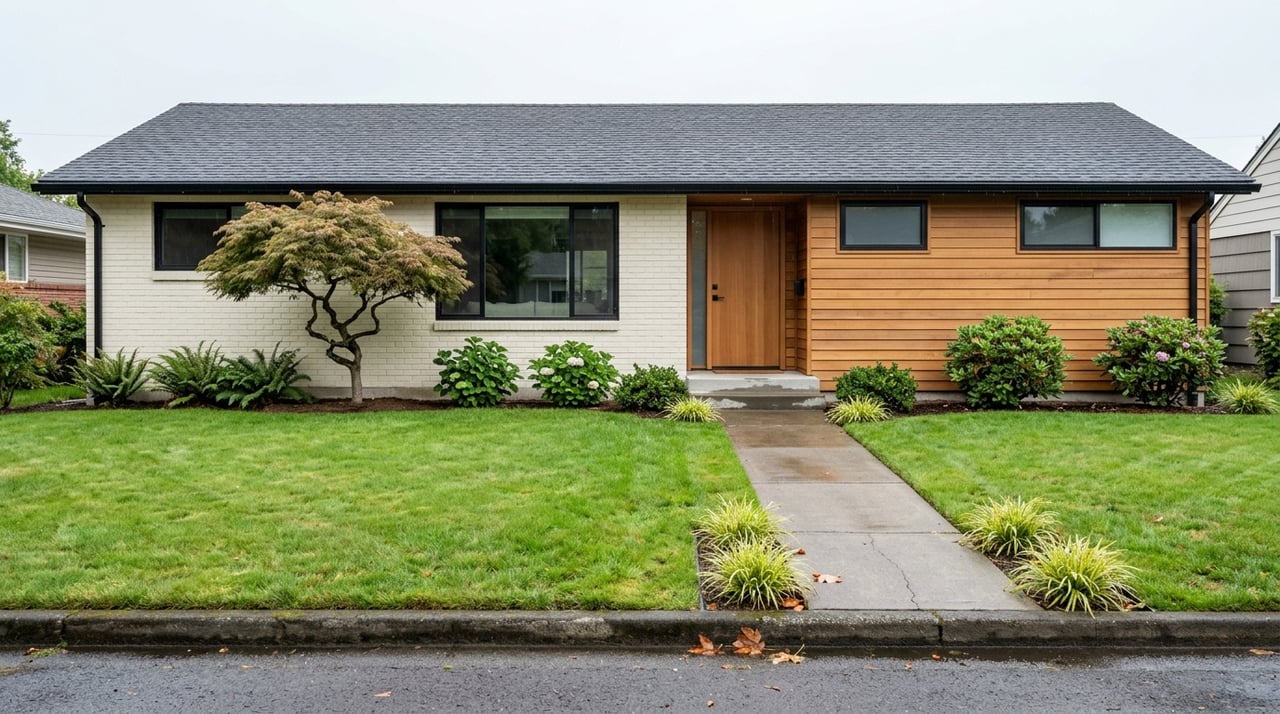
You will find many 1950s to 1970s single‑level ranches and split‑levels across West Beaverton, Raleigh Hills, and older in‑city neighborhoods. These often price lower per square foot than newer builds nearby, but you should plan for more near‑term maintenance. Typical items include roof age, insulation and energy upgrades, older wiring, and plumbing. Local appraisal commentary highlights why older systems deserve close attention during inspections (Portland Appraisal Blog).
Budget tip: Use a simple planning rule for ongoing upkeep of about 1 to 2 percent of the home’s price per year, then layer in any renovation goals separately (homeowner maintenance heuristic). Always get a licensed inspector and contractor bids before you finalize your offer.
Craftsman and early cottages
Near downtown and Old Town Beaverton, you will see early‑20th‑century cottages and bungalows on smaller lots with street‑front character. Updated versions can command a neighborhood premium thanks to curb appeal and charm. If a home is in mostly original condition, plan for kitchen and bath updates and potential energy upgrades to match modern comfort.
Newer planned subdivisions
South and southwest Beaverton areas such as Murrayhill, parts of Cooper Mountain, and the Bethany edge feature newer single‑family homes in planned communities. Buyers often pay a premium for modern layouts, larger kitchens, and newer systems with lower near‑term maintenance. Some neighborhoods include HOAs with rules, amenities, or assessments. City land‑use mapping helps show where newer stock is concentrated and where future growth is guided (Beaverton HOP maps).
Condos and townhomes near MAX
Downtown Beaverton and areas around the Beaverton Transit Center, Beaverton Central, and Millikan Way MAX stops offer condos and townhomes. These homes give you a lower entry price than most single‑family options, with early‑2026 examples commonly listed from the low to mid 200,000s up to the 400,000s for larger units. Factor HOA dues into your monthly budget, and always review the HOA’s budget, reserve study, and meeting minutes. To understand why these homes cluster near transit, explore the station map for context (TriMet MAX stations).
Middle housing and infill choices
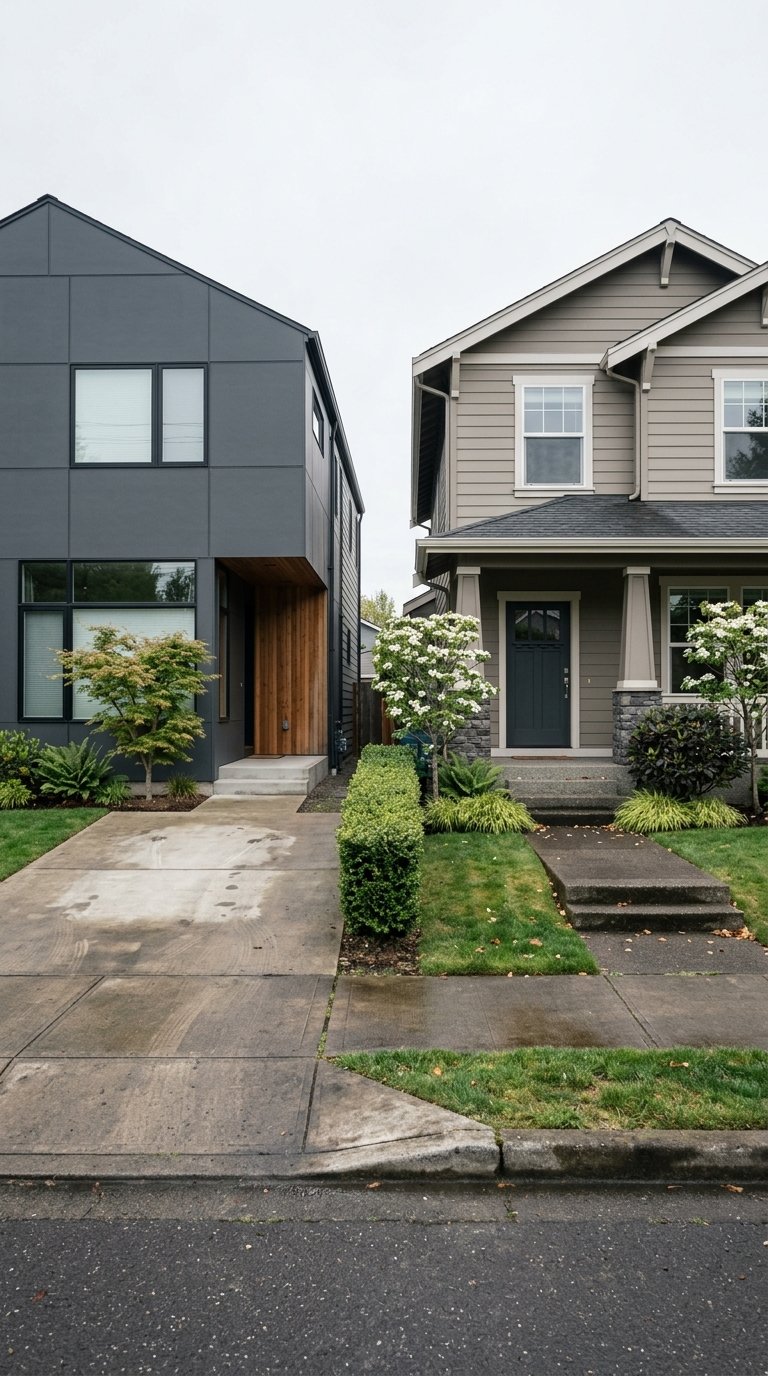
Oregon’s HB 2001 opened the door for duplexes, triplexes, quadplexes, and townhouses in many zones, which Beaverton is implementing through code updates. This can influence neighborhood character over time and create more small‑lot choices for buyers (Oregon DLCD on middle housing). The city’s Housing Options Project maps show where these changes apply locally (Beaverton HOP maps).
How style affects costs
Purchase price drivers
- Newer single‑family homes in master‑planned areas often sell at a premium compared with mid‑century ranches on similar lots. You are paying for newer systems, energy efficiency, and modern layouts. Local submarket data in RMLS supports higher medians for newer segments around the metro (RMLS Market Action).
- Proximity to transit can support demand for condos and townhomes and sometimes narrows the spread between small‑lot houses and multifamily near the Transit Center (TriMet MAX stations).
Maintenance and replacements
Older homes can be great values when upgraded, but they require thoughtful budgeting. A simple planning heuristic is 1 to 2 percent of purchase price per year for maintenance and repairs, plus a separate reserve for major replacements or renovations (maintenance budgeting guide). In mid‑century homes, pay attention to roof age, insulation, electrical, and plumbing. In newer subdivisions, near‑term capital projects tend to be lighter, but make sure you understand any HOA rules or neighborhood assessments (Portland Appraisal Blog).
HOA dues and reserves
Condos and many townhomes include monthly HOA dues that can range from the low hundreds per month to higher amounts based on amenities, insurance, and reserves. Low dues are not always a win if the reserve fund is underbuilt. Ask for the HOA budget, the most recent reserve study, and the last year of meeting minutes before you commit.
Taxes and utilities
- Property taxes: As a planning figure, many Beaverton homeowners see effective rates around about 0.9 to 1.1 percent of market value, but actual bills depend on assessed value, levies, and Oregon rules like Measure 50. Always check the parcel for specifics (Washington County tax trends).
- Utilities: Beaverton’s common providers include Portland General Electric for power (PGE) and NW Natural for gas (NW Natural). Many homes get water service from Tualatin Valley Water District (TVWD), and wastewater and stormwater are coordinated locally. System type matters for your monthly budget. Newer heat pumps and efficient equipment can reduce energy costs but may raise the upfront price.
Neighborhood snapshots
- West Beaverton and West Slope: Mature trees and a large pool of mid‑century ranches with some updated homes. Expect variety in renovation levels. Check roof and systems closely, then compare total cost of ownership to newer builds. Subpockets can command above‑median prices depending on lot size and proximity to amenities (RMLS Market Action).
- Murrayhill and South Beaverton: Planned subdivisions with newer systems and modern layouts. Prices frequently run above the city median. Review any HOA rules and neighborhood assessments early.
- Downtown and Beaverton Central: Condos and townhomes near the Transit Center are popular with buyers who value walkability and easy commuting. Entry prices can be lower than detached homes, but budget for HOA dues and review reserves (TriMet MAX stations).
- Cooper Mountain and Bethany edge: Newer and recently developed homes, some with larger footprints. Expect higher price per square foot than older core neighborhoods and relatively lower near‑term maintenance.
How to read a listing fast
- Roof and exterior clues: A single‑level home with a low‑pitch roof and older shingles often means roof age is a key question. If finishes look original, plan for capital work and use the 1 to 2 percent maintenance rule as a starting point (maintenance budgeting guide).
- Kitchen and bath notes: “Original” or “vintage” finishes can be charming, but they usually signal future spend. Get quick contractor quotes before you remove contingencies.
- HOA details: When a listing shows monthly dues, request the HOA budget, reserve study, and 12 months of minutes. Low dues can hide underfunded reserves and raise the risk of special assessments.
- Transit mentions: “Near MAX” or “walkable to Beaverton Central” often means stronger demand for compact homes. Expect competitive offers on well‑priced condos and townhomes near the Transit Center (TriMet MAX stations).
- Zoning and infill: If a listing notes “small‑lot,” “infill,” or middle‑housing allowances, check Beaverton’s code maps. Future density can affect long‑term neighborhood character and resale strategy (Oregon DLCD on middle housing; Beaverton HOP maps).
Budget scenarios by style
- Under 400,000 dollars: Focus on condos and townhomes near Beaverton Transit Center and along MAX corridors. Compare HOA dues, reserves, and insurance coverage side by side.
- Around 500,000 to 600,000 dollars: Expect a range of mid‑century ranches or split‑levels in varying condition, plus some smaller or earlier‑2000s detached homes in farther‑out pockets. Renovation level and lot size will drive variation.
- 650,000 dollars and up: Newer single‑family homes in planned communities like parts of Murrayhill or Cooper Mountain, plus updated larger homes in West Beaverton and select pockets. You are trading a higher purchase price for newer systems and lower near‑term maintenance.
Get local help you can trust
Your best move is to compare total cost of ownership, not just the list price. That means weighing maintenance plans, energy efficiency, HOA health, taxes, utilities, and commute savings together. Our team helps you price these factors in real time so you can make a confident offer. We will walk you through inspection findings, request key HOA documents, and pressure‑test renovation budgets with local contractors before you commit.
Ready to map styles to a clear budget and timeline in Beaverton? Reach out to Ty Lankheet for a calm, data‑guided plan and a responsive search process tailored to you.
FAQs
What is the typical Beaverton home price in early 2026?
- Redfin’s February 2026 city median was about 595,000 dollars, RMLS showed a 12‑month Beaverton/Aloha median near 512,500 dollars for January 2026, and Zillow’s late‑2025 index was roughly 520,000 dollars.
How much should I budget each year for maintenance on an older home?
- A common planning rule is about 1 to 2 percent of the purchase price per year for maintenance and repairs, plus separate funds for major replacements or renovations.
Are condos near the Beaverton Transit Center usually cheaper than detached homes?
- Often yes, entry prices are lower than many single‑family homes, but you must factor HOA dues, reserves, and insurance to compare total monthly costs.
Which utilities serve most Beaverton homes, and why does that matter?
- Many homes use Portland General Electric and NW Natural, with water service commonly from TVWD; system type and age affect monthly energy costs and comfort.
What HOA documents should I review before buying a condo or townhome?
- Ask for the current budget, reserve study, insurance summary, and at least 12 months of meeting minutes to spot potential special assessments and policy changes.