Thinking about selling your Beaverton home but not sure where to start? You are not alone. Between prep, marketing, and negotiation, it can feel like three jobs at once. In this playbook, you will learn exactly how to get market-ready, launch with maximum exposure, and negotiate terms that protect your bottom line. Let’s dive in.
Why Beaverton sellers need a plan
Beaverton attracts buyers who want suburban convenience with strong access to jobs in Portland and Hillsboro. Proximity to Intel campuses, TriMet’s MAX lines and bus network, and quick connections to OR‑217 and I‑5 keep buyer interest steady year-round. Local parks, retail like Washington Square, and Beaverton School District boundaries all influence who shows up for your home.
The best results come from a clear plan. You will align pricing with current inventory and days on market, showcase the right features for local buyer segments, and move through negotiations with confidence.
Prep: Make your home market-ready
Disclosures and inspections
Oregon requires most residential sellers to provide a written property disclosure to buyers. Complete this form carefully and include repair receipts, warranties, and any relevant permits. A pre-listing general inspection can help you spot issues early. Consider targeted reports if your home warrants them, such as sewer scope for older homes, roof, HVAC, or pest inspections. These steps reduce surprises during the buyer’s inspection window.
Permits and records
Verify that any finished spaces and renovations are permitted and closed out. Check City of Beaverton Development Services and Washington County records for permit history. Having documents ready builds trust with buyers and reduces negotiation friction later.
Repairs that matter
Prioritize safety and systems first. Address active roof leaks, electrical hazards, foundation concerns, or major plumbing issues. Next, tackle visible deferred maintenance like peeling paint or rotten trim. If budget allows, focus on high-impact cosmetic refreshes such as paint, lighting, hardware, and landscaping. A clean, well-cared-for home signals value.
Staging and curb appeal
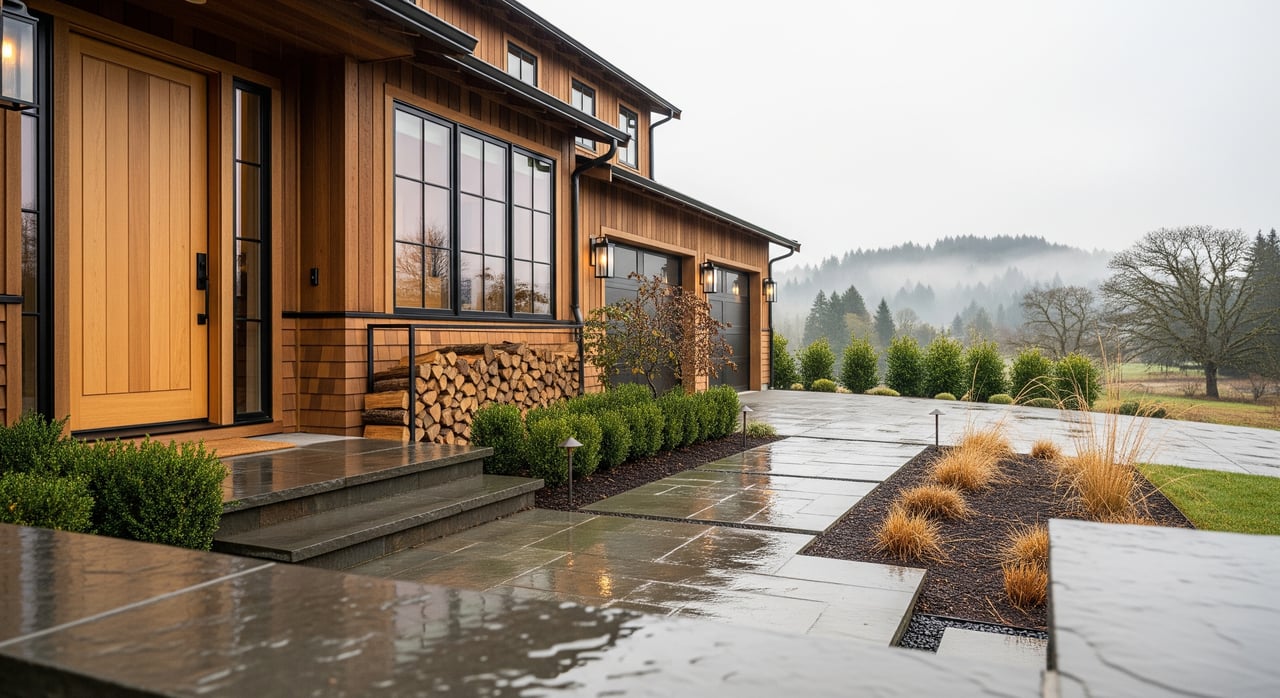
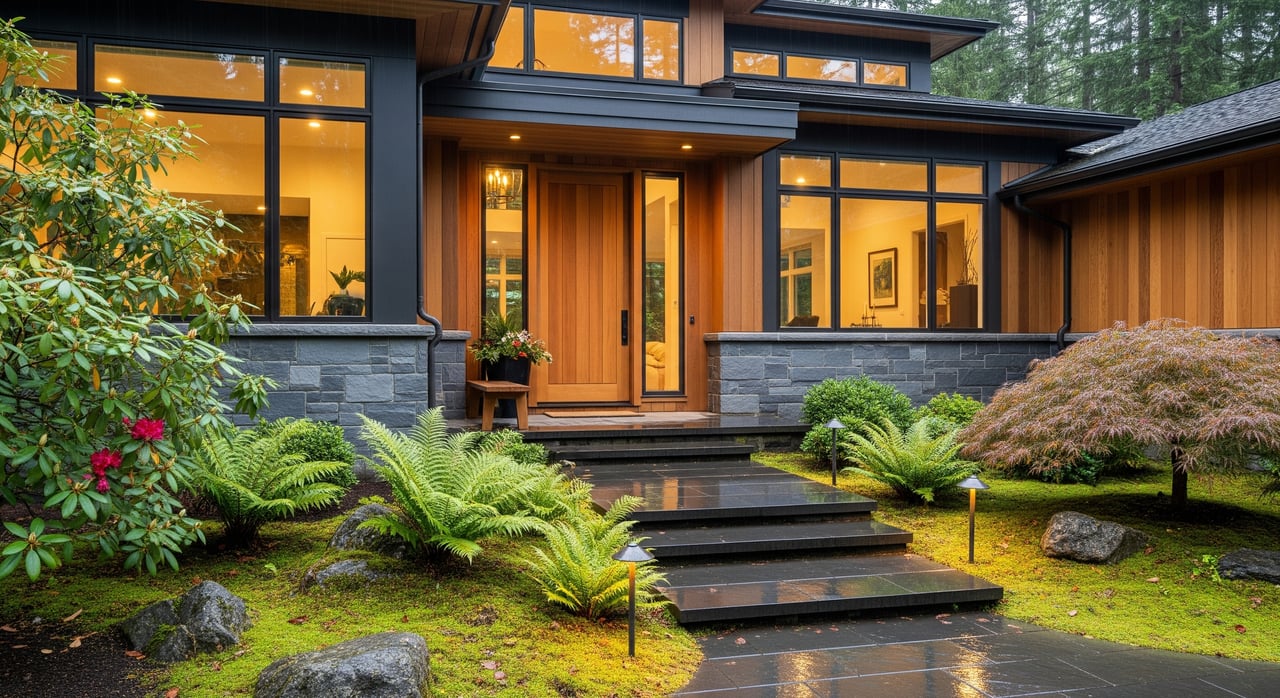
Declutter, depersonalize, and neutralize decor so buyers can picture their own life in the space. Staging options include full staging, partial staging for key rooms, or virtual staging for photos. Choose the level that fits your home’s price point and timing. Fresh mulch, trimmed hedges, and a crisp entryway help your listing stand out from the moment buyers pull up.
Photography and digital assets
Professional photography is essential. Plan for exterior shots at the best light, interior wide-angle images that show flow, and detail shots for standout features. Add a floor plan and a 3D tour for better online engagement. For larger lots or view properties, drone photography can help buyers understand the setting.
Timing and budget
Spring often brings more buyer traffic in the Portland metro, but well-prepped and well-priced homes sell throughout the year. Plan for 2 to 6 weeks of prep based on the scope of repairs and staging. Typical costs vary by vendor and property, but expect a few hundred dollars for professional photos, a few hundred for a general pre-list inspection, and staging that can range from modest partial packages to several thousand per month for full staging.
Pricing: Strategy for Beaverton
Two paths to consider
- Fast-track pricing: List slightly under the most recent comparable sales to draw a larger buyer pool quickly. This approach can lead to strong activity if your condition and marketing are on point.
- Max-price pathway: List near the top of the justified range with superior presentation. Expect more days on market while waiting for the right buyer.
Data to watch
Your pricing should reflect current local metrics, such as inventory and days on market. Pull 3 to 6 recent closed comps and 1 to 3 active listings that represent your competition. Refresh these numbers close to your go-live date so you are aligned with market reality.
Offer review timing
If activity is high, set a clear offer review date to manage showings and buyer expectations. This creates structure and can help surface each buyer’s best terms at the same time.
Marketing: Reach the right buyers
MLS and syndication
Your listing’s primary exposure is the regional MLS, which syndicates to major consumer portals. The MLS entry must be accurate and compelling. Use verified square footage sources, correct room counts, and a description that highlights what matters in Beaverton: commute options, transit access, parks, retail, and school district boundaries. Encourage buyers to verify school assignments directly with the Beaverton School District.
Photos, video, and 3D tour
High-quality visuals stop scrolls and boost showings. Include a short, mobile-friendly property video and a 3D tour to capture out-of-area and relocation buyers who rely on virtual tools.
Targeted digital advertising
Paid social ads can target nearby zip codes and in-market buyer interests. For higher-priced or unique properties, supplement with search or display ads. Keep messaging aligned to likely buyer personas in Beaverton, such as commuters to Hillsboro or Portland, downsizers, and first-time buyers.
Agent network and neighborhood outreach
Announce your listing to local agents who represent active buyers. Consider a broker open to gather feedback early. Use neighborhood postcards and approved community groups to increase local awareness.
Open house and showings plan
Schedule open houses thoughtfully around weekends or evenings. Provide clear lockbox instructions and showing windows. Gather feedback after each showing and adjust photos, copy, or price if engagement lags.
Measure and iterate
Track MLS and portal views, showing counts, and feedback. If activity is light after the first 7 to 14 days, discuss changing photos, adjusting copy, refining ad targeting, or repositioning price.
Negotiation: Protect your position
Offer presentation and timing
All offers must be presented promptly. When multiple offers are likely, you can set a review date. Decide in advance how to handle strong preemptive offers so you avoid chaotic decision-making under pressure.
Evaluate more than price
Look at financing strength, earnest money, inspection timelines, appraisal terms, closing dates, and possession flexibility. A slightly lower price with stronger terms can be the better path to a smooth, certain closing.
Multiple-offer strategies
You can accept one offer, counter one or more, or call for highest and best. Each choice has trade-offs. Confirm how escalation clauses and appraisal gap language will be evaluated before offers arrive so you can respond quickly and consistently.
Inspection period and repairs
Buyers typically complete inspections within 7 to 14 days after acceptance. If you completed a pre-list inspection, share it and note completed repairs to reduce renegotiation. For requests, you can agree to repairs, offer credits at closing, or decline. Consider the cost, the market’s competitiveness, and your timeline.
Appraisal and financing
If the buyer uses a loan, the appraisal can be a key milestone. Request a current pre-approval letter and proof of funds for the down payment and closing costs. In some cases, seller concessions toward buyer costs can help a deal pencil, but confirm limits for the loan type before you agree.
Earnest money, escrow, and closing costs
Clarify who holds earnest money and what triggers a refund or forfeiture. Washington County customs for closing cost allocations can vary, so review your estimated settlement statement with the title or escrow team early. Align your possession date with your move plan and any rent-back needs.
Fair housing and professionalism
All marketing and negotiations must comply with federal, state, and local fair housing laws. Focus on property features, location facts, and objective terms. Avoid comments about protected classes or buyer personal characteristics.
Beaverton specifics to cover
Permits and building records
Gather permit history for additions, finished spaces, or major systems work. City of Beaverton Development Services and Washington County Building Services are common sources. Accurate records help buyers proceed with confidence.
Utilities and sewer
Confirm sewer and water providers and connection status. If the property is on septic, arrange a septic inspection and provide tank permit history with any available service records.
HOA and community rules
For condos and planned communities, order the HOA documents early. Buyers will ask for budgets, rules, meeting minutes, and any pending assessments. Starting early keeps timelines on track.
Taxes and assessments
Download the current property tax statement from the Washington County Assessor and note any special assessments or local bond measures. Buyers appreciate upfront clarity.
Schools and transit
Provide accurate school assignments at the time of listing and remind buyers to verify with the Beaverton School District. Note proximity to MAX light rail, the Beaverton Transit Center, key bus lines, and major roadways to help commuting buyers assess daily routines.
Environmental disclosures
Disclose known hazards or prior issues, including flood history, radon test results, and lead-based paint for homes built before 1978. Local hazard maps can be useful when answering buyer questions.
Seller timeline and checklists
Pre-listing: 2 to 6 weeks before
- Complete the Oregon property disclosure and collect permits, warranties, and service records.
- Declutter, deep clean, and complete minor repairs that show well.
- Order pre-list inspections based on your home’s age and condition.
- Book professional photography, floor plan, 3D tour, and staging.
- Confirm pricing strategy with fresh comps and a competitive pricing band.
- Draft marketing copy that highlights transit options, amenities, and school boundaries.
Launch and first 14 days
- Go live on the MLS with full media and accurate data fields.
- Send Just Listed notices to local agents and hold a broker open.
- Host public open houses as appropriate to your property type and location.
- Track online views and showing counts. Adjust quickly if engagement is low.
- Review offers on a set timeline if activity suggests multiple bidders.
Under contract to closing
- Respond to inspection requests and negotiate repairs or credits.
- Coordinate appraisal access and provide requested documentation.
- Confirm title requirements, mortgage payoff, and your settlement statement with escrow.
- Align closing and possession with your move plan.
Post-closing
- Transfer warranties and manuals to the buyer.
- Cancel utilities per the contract timeline and your possession date.
- Keep digital copies of your closing packet and tax documents.
Ready to sell in Beaverton?
You deserve a clear plan, premium presentation, and strong negotiation. Our boutique process manages the details so you can focus on your next chapter. Connect with Ty Lankheet to get a Free Home Valuation and a custom listing strategy for your Beaverton home.
FAQs
Should I get a pre-listing inspection in Beaverton?
- Yes if your home is older or you suspect issues, since early findings reduce surprises and can strengthen your negotiation position.
What pricing strategy works best for a fast sale?
- Listing slightly below the top comp range can draw more showings quickly, while top-of-range pricing may need more time and exceptional presentation.
How do open houses help in Beaverton?
- They create easy access for commuting buyers and generate feedback that can guide quick adjustments in marketing or pricing.
What contingencies should I expect from buyers?
- Typical contingencies include inspection, financing, and appraisal; shorter timelines generally reflect stronger offers.
How are multiple offers handled fairly?
- You can accept one, counter one or more, or request highest and best, as long as all offers are presented promptly and treated consistently.
What Beaverton-specific documents should I prepare?
- Permit history, HOA documents when applicable, current property tax statements, and any sewer, septic, or environmental records buyers may request.